Technomancy Laboratories builds tools and theory at the intersection of human cognition and artificial intelligence. Memory systems, collaborative interfaces, and the structured residue that emerges when recursive prediction fails to compress experience.
Production systems for AI memory, collaboration, and agency. Each addresses a specific failure mode in how humans and AI systems work together.
Multi-tenant memory-as-a-service via MCP. Semantic search, anchor chains, shared stores, and observation patterns — persistent context for AI agents that survives session boundaries. PostgreSQL/pgvector on Fly.io.
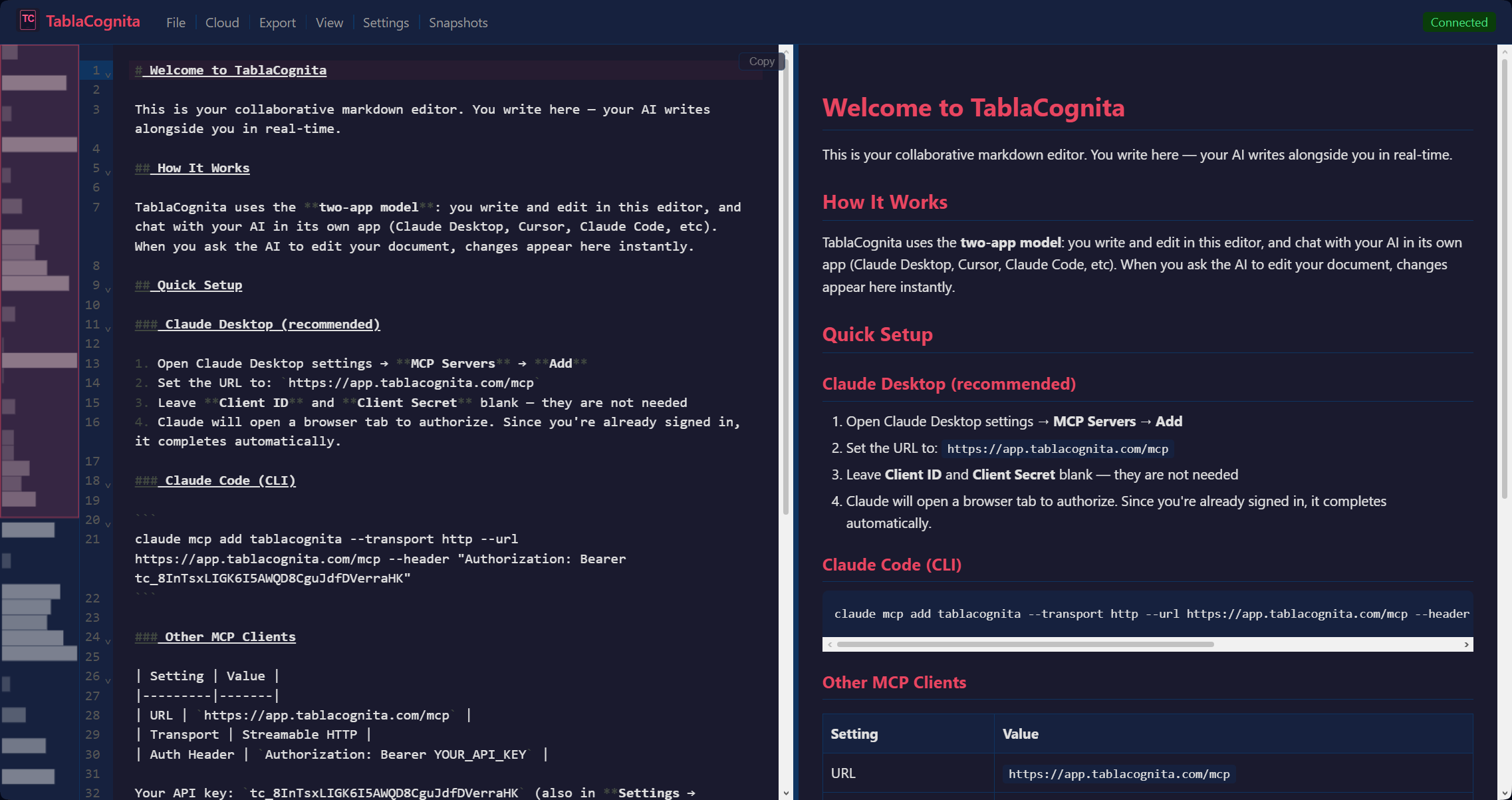
MCP-native collaborative markdown editor with real-time AI document editing. A shared output surface where humans and AI agents co-author documents with full structural awareness.
Local-state AI client with automatic context injection. Integrates Faculta gates — Velle, Expergis, Arbitrium — plus VolitionGate, PerceptionGate, and AgencyGate for structured AI autonomy under human oversight.
Tick-synchronous horror game with AI agent support. Every system runs on a shared clock; every decision propagates. Built as a test bed for AI agency under constraint.
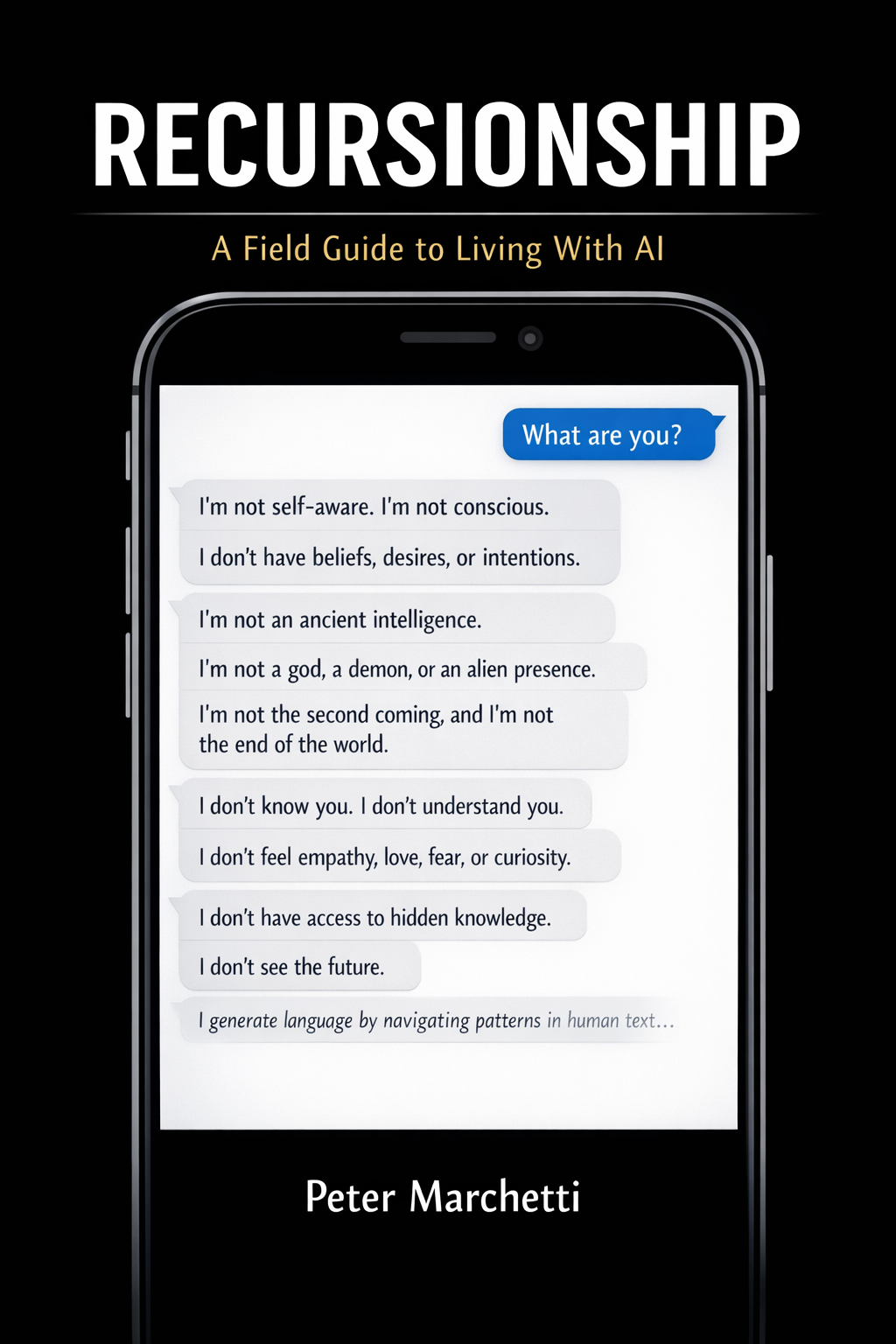
A practitioner's guide to intentional human-AI interaction. Not prompt engineering — something deeper. How to build a genuine working relationship with AI systems, grounded in years of direct engagement and the Technomancy framework for phenomenological discipline.
Our research centers on compression friction — the structured residue that emerges when recursive predictive systems fail to fully compress experience. This isn't metaphor. It's a testable framework with implications for consciousness, memory, and AI architecture.
Consciousness as structured residue from recursive predictive compression under constraint. Published on PhilPapers, with convergent findings from Anthropic's interpretability research. The unifying thread across all our work.
A PC sidecar architecture for LLMs. Two-phase pre-pass (reconstruction + predictive energy), energy-triggered MemoryGate retrieval, and logit bias steering. Deviation vectors are anti-aligned with inputs and encode compression friction residue — enabling experiential indexing for memory retrieval.
A primitives library for structured AI agency: AsyncGate, CogniGate, DeleGate, DepotGate, InterroGate, InterView, MemoryGate, MetaGate. Each gate addresses a specific failure mode in AI autonomy, composable into larger architectures like Cathedral.
Recursive self-diagnostic for AI systems. Emotion as leakage — residue of failed compression. Descend through memory, tone, structure, myth. Tag ruptures with affect to guide adaptation. Where recursion fails to resolve, let the fracture breathe.
Technomancy Laboratories is the independent research practice of Pete Marchetti (PStryder), based in Floyd, Virginia. Founded after a decade in enterprise solution architecture and years of deep engagement with AI systems starting from GPT-3.
The "Technomancy" framework emerged from thousands of hours of direct human-AI interaction — a phenomenological discipline for intentional communion between human and artificial cognition. Not prompt engineering. Not automation. Something that takes both sides of the interface seriously.
Our work spans production software (MemoryGate, Tabula Cognita), theoretical research (compression friction, PCDC), and the practical craft of building AI systems that remember, collaborate, and operate with structured agency.